Brownfield Planning for Climate-Resilient Cities
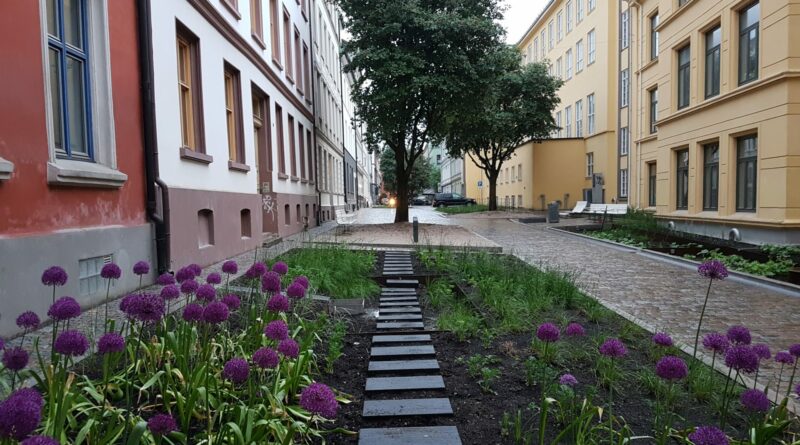
Discover how NIBIO mapping tools help architects and planners identify brownfield sites, reduce biodiversity loss and support climate-resilient cities.

– BUILDINGS, BUILDINGPRODUCTS & RESOURCES
Greenbuilt shares informative articles on the latest scientific advancements related to sustainable buildings, providing an invaluable resource for advisors, building owners, and investors seeking to stay up-to-date with the most recent developments and trends in the industry.
Discover how NIBIO mapping tools help architects and planners identify brownfield sites, reduce biodiversity loss and support climate-resilient cities.
Trees can cool cities, but design matters. Explore research-based tool for nature-based climate adaptation, stormwater and resilient urban planning.
Discover how architects use CPTED (Crime Prevention Through Environmental Design) to create safer, socially sustainable and low-carbon cities. Evidence-based guidance on urban form, materials, sunlight, colour psychology and life-cycle design.
Sustainable investments experienced strong growth in 2025. A persistent knowledge gap continues to limit the realisation of genuinely sustainable development.
Building materials and installations have a significant impact on health. Indoor environment, in addition to five physical aspects in indoor climate, encompasses psychological and well-being factors in buildings.
Near by Oslo, a 130-year-old barn has been given a new lease of life. Nedre Sem barn is innovative through the sum of the project’s exemplary characteristics.
This SolarBau funding programme provided support for energy saving. It did not provide capital funding but instead supported design work.
Green buildings receive some attention. Why isn’t it more common, and what is recommended to achieve the UN Sustainable Development Goals in time?
From 2039, the architecture firm Snøhetta will only design carbon-negative buildings.
The green economy affects the growth of human well-being and social equality while reducing environmental threats and the use of natural resources. Architects, how can this be executed in the face of a worldwide shortage of skilled professionals?
The International Union for Conservation of Nature (IUCN) has developed a scientifically based tool to conserve our vital biodiversity.
Major environmental impacts, and also social ones, are embodied in our buildings.
The strength of nature is “lazy and intelligent,” says Sigrid Adriaenssens, a professor of engineering at Princeton who specializes in biomimicry. Spider silk is five times stronger than steel.
Biophilia and biomimicry are two concepts that are gaining momentum in the field of architecture.
Chris Butters editorial to the book: 100 SUSTAINABLE SCOTTISH BUILDINGS
Crucial aspect of architectural skills and imagination
a masterclass on the principles and techniques involved in the design and delivery of practical, affordable, high quality sustainable buildings and places.
Circular economy, sustainable products, ecological and social responsibility – by Chris Butters
Our presentation includes environmental demand from Breeam, Swanmark, Statsbygg and innovative green business development
Major environmental impacts, and also social ones, are embodied in materials. By Chris Butters